
WARDOGS does not ask you to pick a class before a match.
There is no class-select screen anywhere in the game.
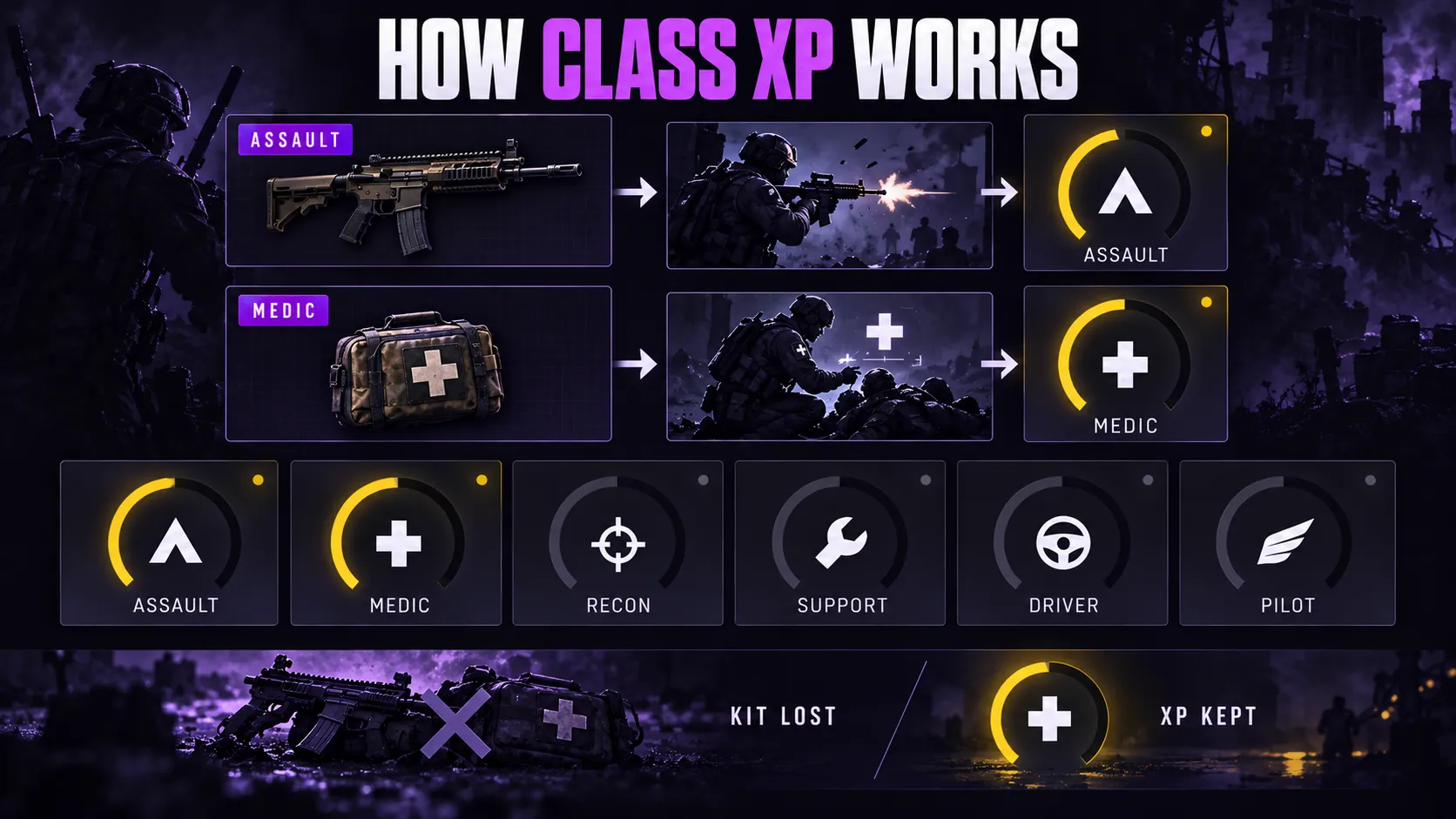
Instead, the loadout you buy and the actions you take during a life quietly feed one of six separate progression tracks: Assault, Medic, Recon, Support, Driver and Pilot.
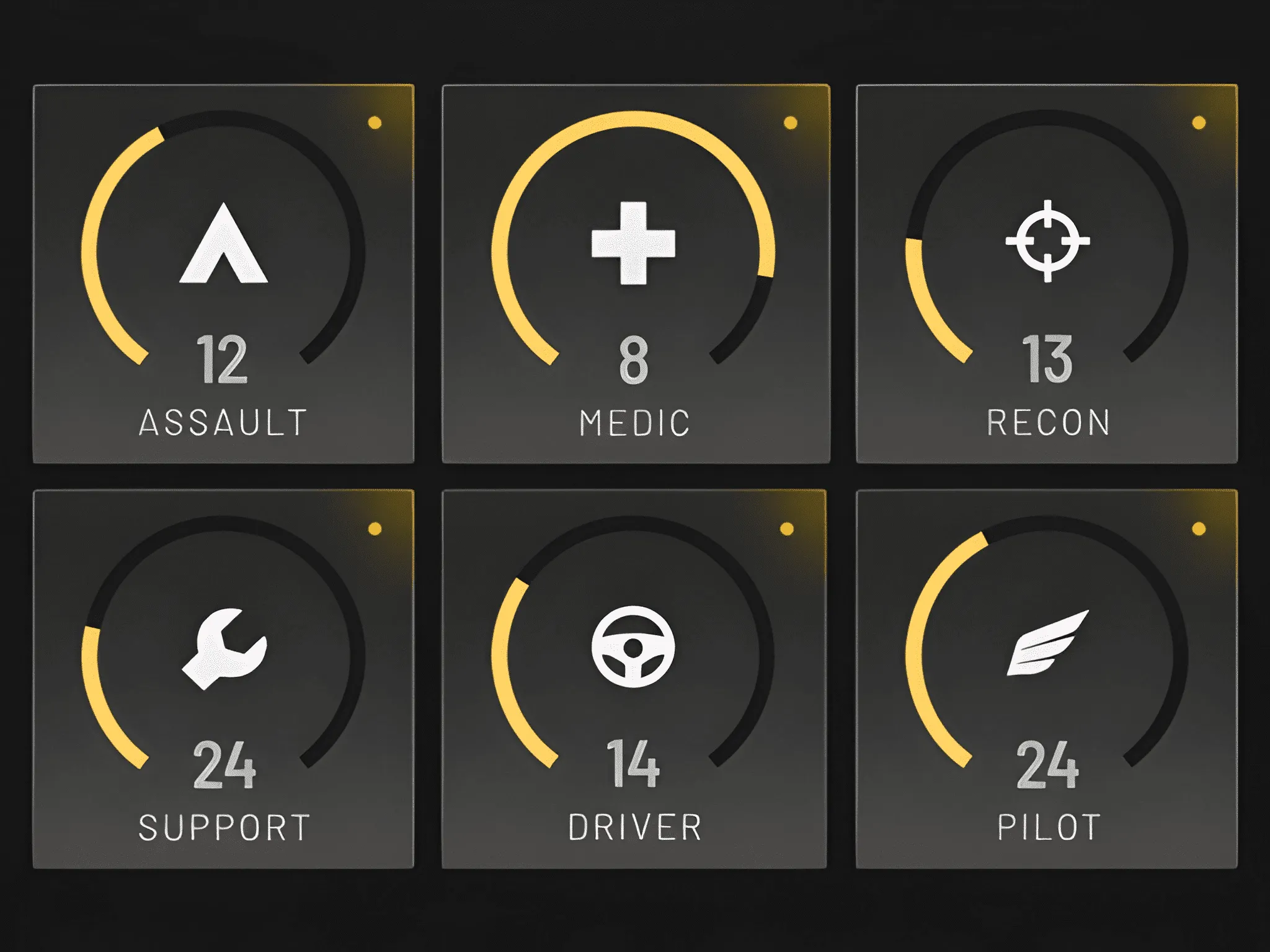
Grind kills with a rifle and Assault climbs.
Revive a teammate and Medic climbs instead.
This guide breaks down what each of the six WARDOGS classes is, what feeds it, and what your overall WARDOG level means once all six start adding up.
If you are looking for exact unlock levels and the fastest way to grind XP, that is covered in the separate WARDOGS leveling and XP guide.
This article is about understanding the system itself.
Table of Contents
- There’s No Class-Select Screen in WARDOGS
- How the Six WARDOGS Classes Work
- Assault: The Frontline Track
- Medic: Keeping the Squad in the Fight
- Recon: Eyes on the Battlefield
- Support: Building, Repairing, Resupplying
- Driver and Pilot: The Transport Tracks
- What the WARDOG Level Means
- Classes vs. Factions: Don’t Confuse the Two
- Key Takeaways
- FAQ
There’s No Class-Select Screen in WARDOGS
Players coming from Battlefield or Squad expect a menu where they lock in a role before spawning.
WARDOGS does not have one.
A pinned developer FAQ on the official WARDOGS Steam Community discussions, posted by a Bulkhead team member on February 9, 2026, is direct about this: the game “doesn’t come in the form of set classes,” and players are free to purchase whatever equipment, vehicles and items they want for each life.
You buy weapons, equipment and vehicles from the vendor before each life, and whatever you are carrying determines your role for that life.
Die, and you can buy something completely different on your next spawn.
There is no penalty for switching.
This is why the community still argues about whether to even call these things “classes.”
Bulkhead’s own language leans toward “roles” or “progression tracks,” since nothing about them is locked.
Most players and most guides, this one included, still say “classes”.
Either way, the mechanic is the same: your gear and your actions decide your class, not a menu.
How the Six WARDOGS Classes Work
Every weapon, tool and vehicle in the WARDOGS vendor is tagged to exactly one of six tracks.
Hovering an item in the shop shows you which track it feeds before you buy it.
The six tracks are Assault, Medic, Recon, Support, Driver and Pilot, and each one levels up completely independently.
Grinding Assault for an entire match does nothing for your Medic or Recon level.
Two things feed a track:
Kills and combat actions with a track’s assigned weapons.
A rifle kill pays Assault XP regardless of what you intended to level.
Non-combat actions tied to that track’s job, such as healing, spotting, building or transporting.
These do not require a kill at all, which matters because dying in WARDOGS costs you the kit you paid for, not the class progress you have already earned.
Community reference site WARDOGS Handbook has logged specific per-action XP values, but Bulkhead has not published an official rate card, so treat exact numbers as reported, not confirmed, and check the leveling guide for anything beyond the broad strokes covered here.
One naming wrinkle worth flagging: Bulkhead’s official Season 1 launch changelog, published September 9, 2026, uses the label “Career” in its unlock-tier headers alongside Medic, Support and Driver.
Community wikis disagree on exactly what “Career” refers to.
Some treat it as an official rename of the “Assault” track that testers had inferred earlier; others read it as the account-wide WARDOG level itself, since several “Career” unlocks in the patch notes (the Deagle pistol, the Sports Parachute, the Artillery Tank) match items other trackers file under WARDOG level rather than under any single class.
Bulkhead has not clarified which reading is correct, so this guide keeps the widely used “Assault” label for the rifle-and-frontline track and flags “Career” as a term to watch rather than a confirmed synonym.
Until Bulkhead clarifies the naming directly, expect to see both terms used for the same track.
Assault: The Frontline Track
Assault is the track most new players level without even trying.
It is fed by assault rifles, sidearms and direct infantry combat, meaning most starting loadouts naturally push XP into it from the first match onward.
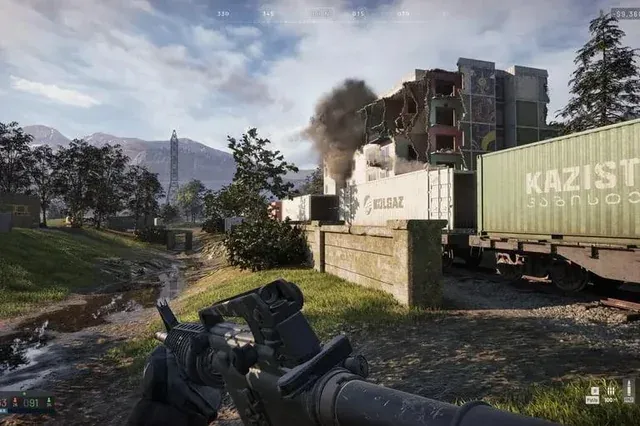
Community reference site WARDOGS Handbook logs Assault as paying the highest XP per action of any track through kills, and describes it as the only track where dying costs you the kit you were carrying, since Assault XP is tied directly to combat risk in a way the support-oriented tracks are not.
That specific claim comes from one community tracker rather than several, so treat it as a reported pattern rather than an official rule until other wikis confirm it independently.
Broadly, Assault unlocks progressively stronger assault rifles as it climbs, from early mid-tier options up through the game’s hardest-hitting rifle at the top of the track.
Exact weapons and the levels they sit behind are covered in the WARDOGS weapons tier list.
Medic: Keeping the Squad in the Fight
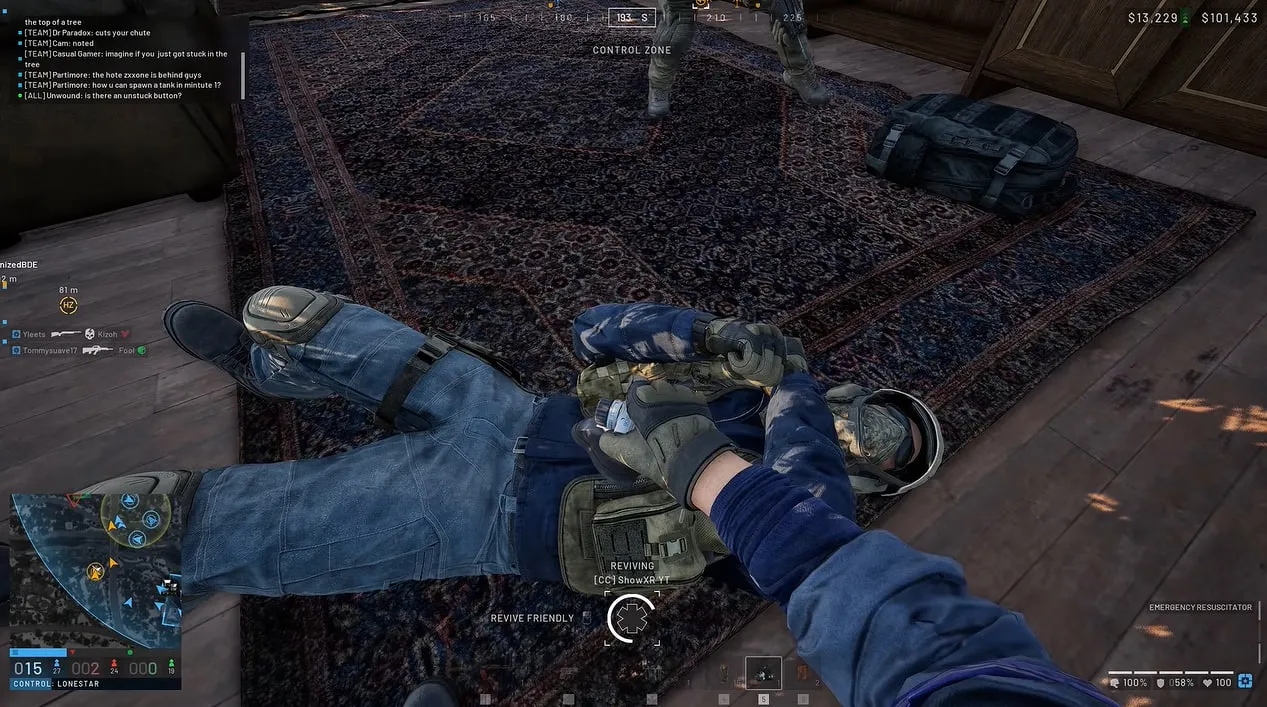
Medic is fed by SMGs, bandaging injured teammates and reviving downed ones, and it is widely described across community guides as the track the scoreboard undersells.
A basic bandage on an injured (not downed) teammate pays out, and it is repeatable often, which multiple sources point to as making Medic one of the more consistent XP sources in the game.
A full revive with a defibrillator pays meaningfully more than a bandage, according to community-logged values from two independent trackers, which lines up with Bulkhead’s general design philosophy of rewarding teamplay actions over solo ones.
Medic gear broadly unlocks in a logical sequence: basic resuscitation tools early, SMGs and smoke through the mid-track, and a defibrillator and full medical bag toward the back half.
Recon: Eyes on the Battlefield
Recon is fed by marksman rifles, sniper rifles, the compound bow, and spotting enemies through binoculars or a rangefinder.
What makes Recon unusual among the six tracks is that it rewards information over kills.
Marking an enemy player, vehicle or position through binoculars pays Recon XP on the spot, and most community sources agree it pays again if a teammate finishes off whatever was marked, regardless of which faction gets the kill.
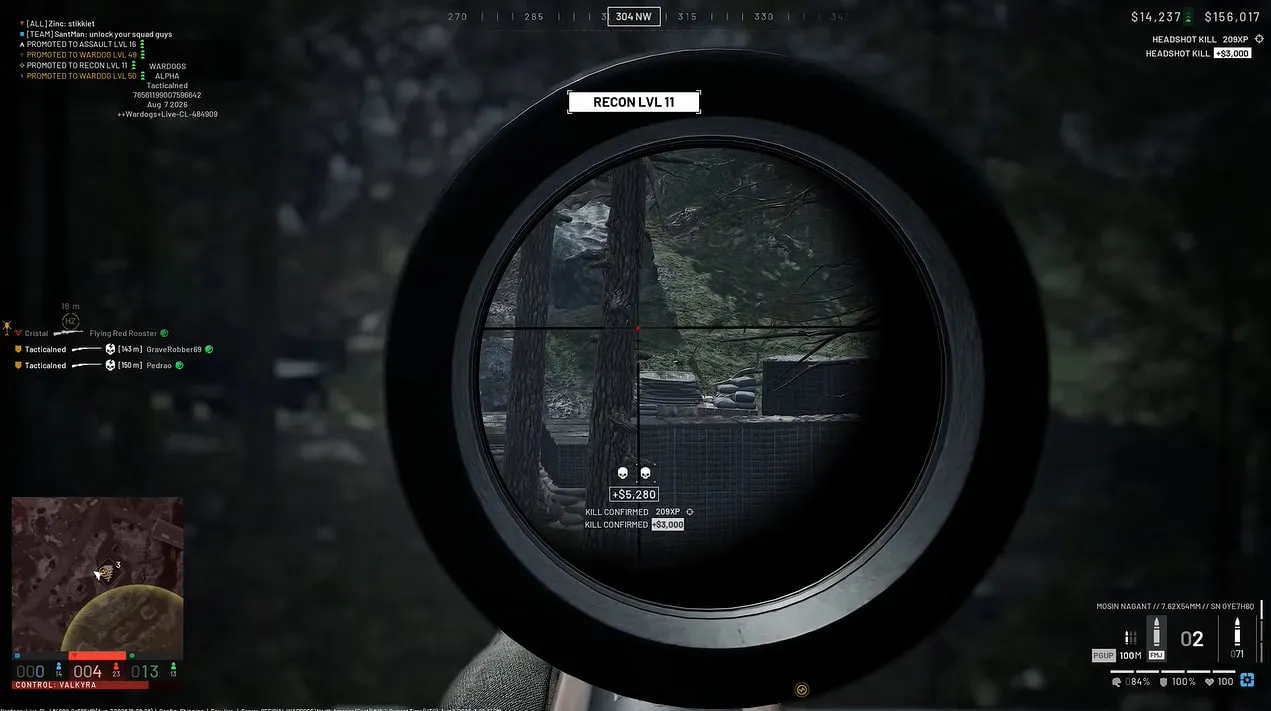
That makes Recon one of the more forgiving tracks for newer players, since a spotting-focused loadout earns steadily without needing confident aim.
Recon’s weapon ladder broadly splits into three families as it levels: semi-automatic marksman rifles early, bolt-action sniper rifles through the mid and late track, and specialty options like the compound bow alongside them.
The full breakdown of every family, plus how to pair them with spotting gear, is in the weapons and loadouts hub.
Support: Building, Repairing, Resupplying
Support is fed by shotguns, LMGs, launchers, construction, vehicle repair and resupply actions, and it is consistently described as the most team-oriented of the six tracks.
Building pays out in multiple stages rather than one lump sum on completion, according to community-logged data from two independent trackers: regular hammer swings pay a small amount each, hitting a structure’s critical build marker pays more, and finishing the structure pays a completion bonus on top.
The Forward Operating Base is Support’s signature structure.
Building, defending and repairing at a FOB is one of the most reliable ways to level Support without ever pulling a trigger.
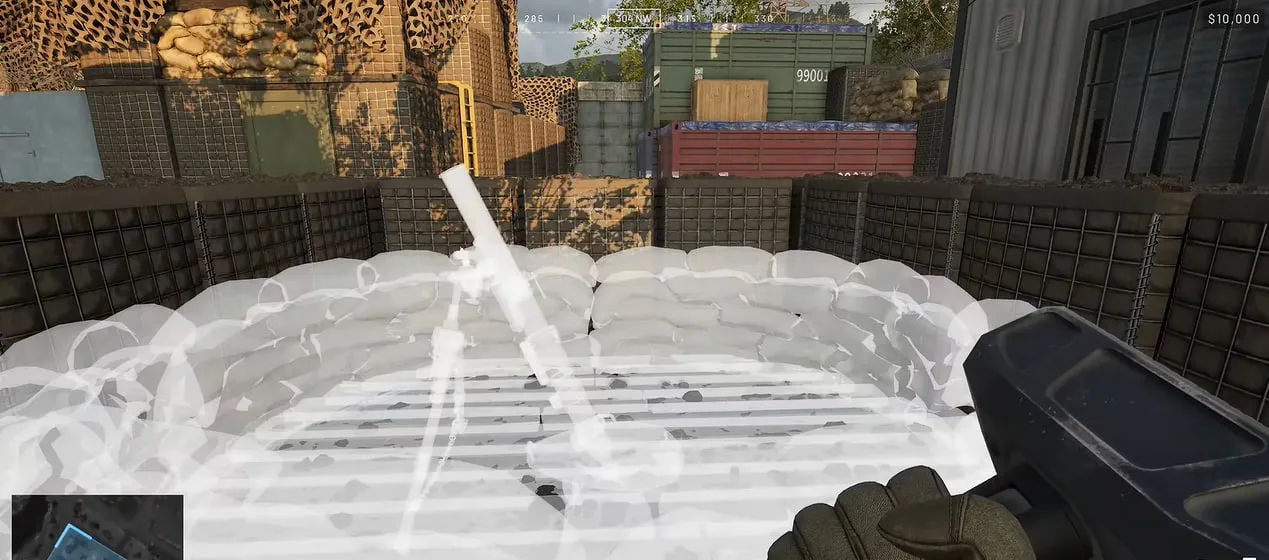
The full breakdown is in the FOB guide.
Support’s gear broadly unlocks in a logical order too: early explosives and hand tools first, then shotguns and light machine guns through the mid-track, and heavier launchers and machine guns toward the top.
A hammer can also be carried alongside a rifle, letting Support and Assault XP stack in the same loadout.
Driver and Pilot: The Transport Tracks
Driver and Pilot are the two tracks most players overlook while chasing kills, even though both reward one of the most impactful jobs in a 100-player match: getting your squad to the fight alive.
Driver is fed by ground vehicle operation, specifically delivering teammates to the Control Zone and getting kills from inside a vehicle.
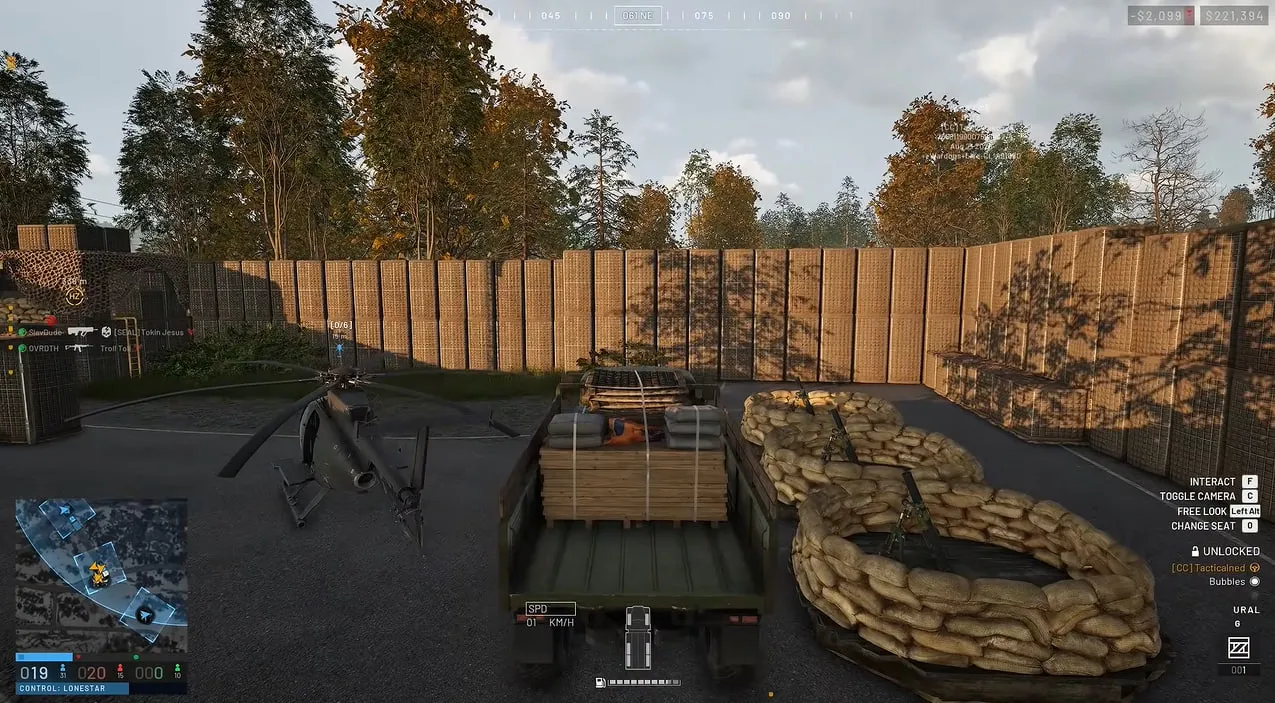
Community-logged data from two independent trackers shows delivery pays out twice, once on drop-off and again if the passenger survives roughly ten seconds after getting out, which rewards protecting the people you drove in rather than dumping them under fire.
Pilot works the same way with helicopters instead of ground vehicles, and it carries considerably more risk, since a downed helicopter typically takes every passenger with it.
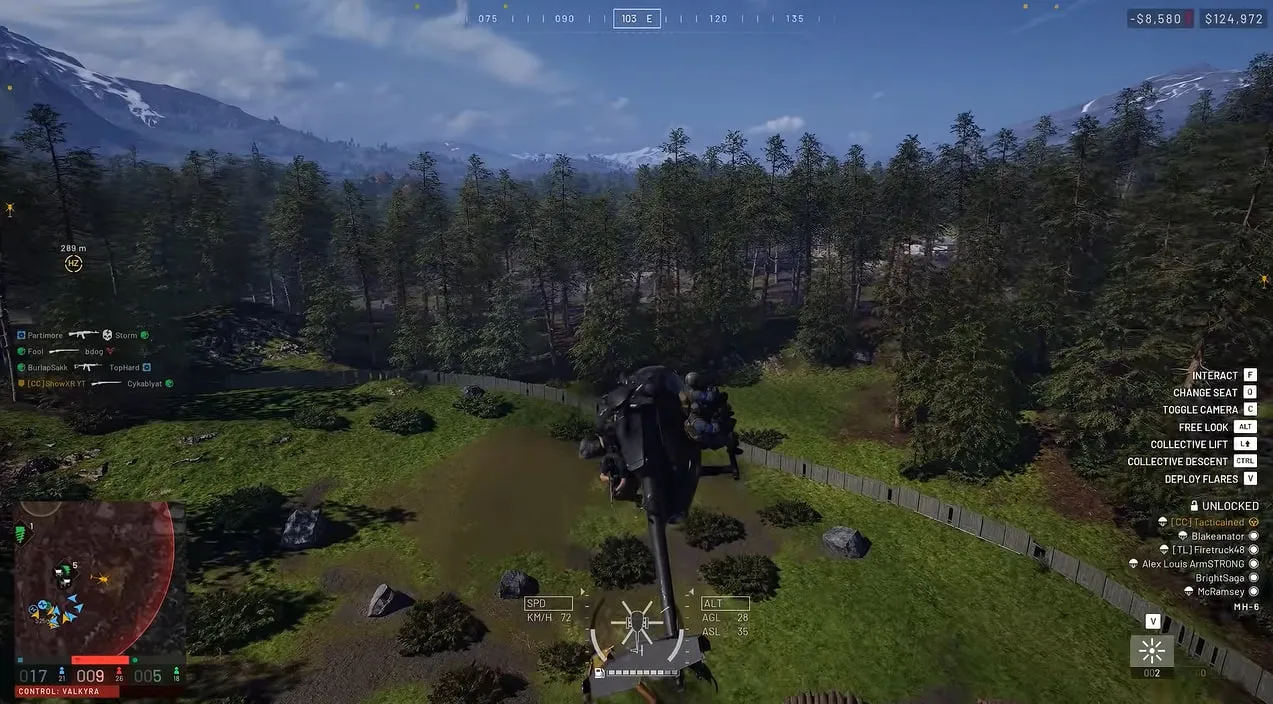
Community sources note that dropping a supply pallet by helicopter is among the single highest-paying non-combat actions in the entire game.
Both tracks broadly unlock progressively larger and better-armed vehicles as they climb, from basic transport trucks and light helicopters up through armored variants and, eventually, WARDOGS’ heaviest ground and air vehicles.
For a closer look at how a squad moves through a live match, our WARDOGS explainer covers a full Control Zone push from spawn to capture.
What the WARDOG Level Means
Above all six class tracks sits one more number: your WARDOG level.
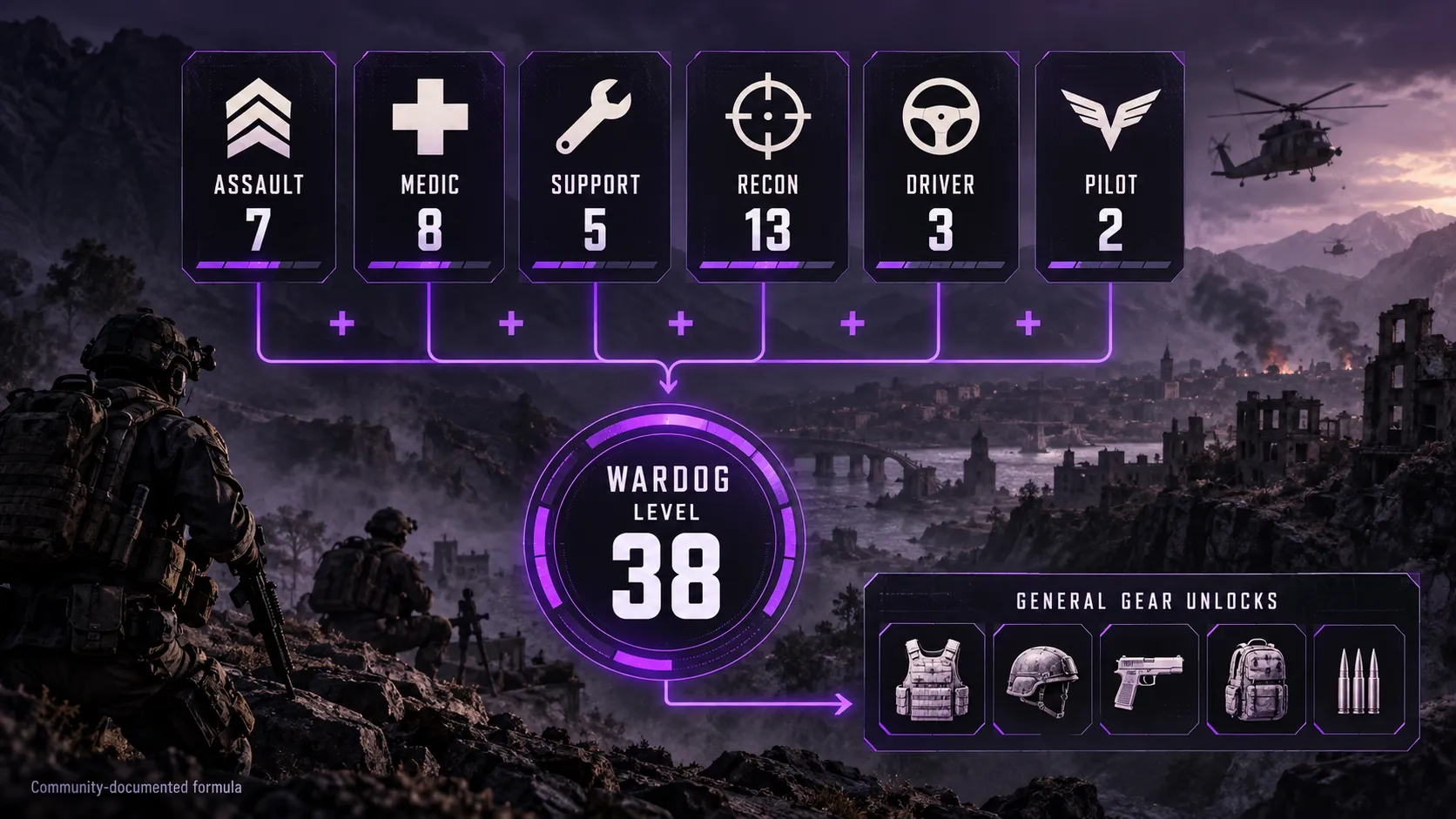
Independent community trackers describe the WARDOG level as the sum of your six class levels added together.
One documented example matched exactly: a player at Assault 7, Medic 8, Support 5, Recon 13, Driver 3 and Pilot 2 sat at WARDOG level 38, which is 7+8+5+13+3+2.
Bulkhead has not published this as an official formula, so treat it as strongly community-documented rather than officially confirmed.
It is corroborated by more than one independent tracker, which is why this guide states it plainly rather than hedging it out entirely.
The practical takeaway is that WARDOG level rewards versatility.
Because it is a straight sum, spreading XP across all six tracks reaches a given WARDOG level far faster than dumping everything into one track, since early levels on any track are cheap and late levels on a single track get expensive fast.
WARDOG level gates the equipment that does not belong to any single class: body armor tiers, helmets, pistols, backpacks and some ammunition types.
Exactly what unlocks at each WARDOG level is covered in the leveling guide linked above.
Classes vs. Factions: Don’t Confuse the Two
New players frequently mix up two completely separate systems in WARDOGS, so it is worth stating plainly.
Classes (Assault, Medic, Recon, Support, Driver, Pilot) are the six progression tracks covered in this guide.
They describe what you are doing in a given life and level independently of everything else.
Factions (Lonestar, Valkyra and Manticore) are the three teams a match splits players between.
The same official Bulkhead Steam FAQ cited earlier confirms all three by name, describing every match as featuring “up to one hundred players split across three teams: Valkyra, Lonestar and Manticore.”
The official WARDOGS site frames the mode itself around that three-way structure, with teams fighting to control a randomized zone inside a much larger map.
WARDOGS itself, developed by Bulkhead and published by Team17, has been on Steam Early Access since September 10, 2026.
Choosing a faction has nothing to do with which class levels.
A Lonestar player and a Manticore player can both run a Medic-focused loadout in the same match.
No official source has confirmed faction-specific weapons, vehicles or stat bonuses of any kind as of Season 1.
Key Takeaways
- WARDOGS has no class-select screen; your loadout and actions during a life decide which of the six tracks earns XP.
- The six tracks are Assault, Medic, Recon, Support, Driver and Pilot, and each levels independently of the others.
- Kills feed the track tied to the weapon used; non-combat actions like healing, spotting, building and transporting feed their tracks without any kill needed.
- Bulkhead’s Season 1 patch notes use the label “Career” in some unlock headers, and it is not yet clear whether that replaces “Assault” or refers to the WARDOG level itself.
- WARDOG level is the account-wide total, community-documented as the sum of all six class levels, and it gates gear no single track owns, like armor tiers and pistols.
- Factions (Lonestar, Valkyra, Manticore) are a separate system from classes; which team you fight for has no effect on which track levels.
FAQ
What classes are in WARDOGS?
WARDOGS has six progression tracks: Assault, Medic, Recon, Support, Driver and Pilot.
Each one levels up on its own based on the weapons, gear and actions you use during a life, not on a class you select before spawning.
How do you choose a class in WARDOGS?
You do not choose one.
WARDOGS has no class-select screen.
Your loadout and your actions during a life decide which of the six tracks earns experience, and you can change what you are working toward every time you respawn.
What is the WARDOG level in WARDOGS?
The WARDOG level is your account-wide total.
Community trackers who have compared their own numbers describe it as the sum of all six class levels added together, though Bulkhead has not published the exact formula.
Are WARDOGS classes the same as factions?
No.
Lonestar, Valkyra and Manticore are the three teams you are placed on for a match.
Assault, Medic, Recon, Support, Driver and Pilot are progression tracks that level independently of which faction you are fighting for.
Which WARDOGS class should I level first?
Most new players level Assault and Recon naturally just by fighting and using binoculars, since both reward normal combat behavior.
A dedicated leveling order depends on what gear you are chasing, which is covered in the full leveling guide linked above.
Is Assault the same as the Career track in WARDOGS?
It is not confirmed either way.
Bulkhead’s Season 1 patch notes use the label Career in unlock headers, and community wikis disagree on whether that replaces the community term Assault or refers to the account-wide WARDOG level instead.
Does dying in WARDOGS cost you your class progress?
No, class XP already earned is not lost on death.
What you do lose is the loadout you paid for, since gear is purchased fresh each life, and combat-heavy tracks like Assault put that kit at risk more often than support-oriented tracks do.
Can you level more than one WARDOGS class in the same life?
Yes.
Because XP follows whatever gear or action triggered it, a single loadout can feed two tracks at once, such as carrying a hammer alongside a rifle to earn Support and Assault XP in the same life.
Do WARDOGS classes reset each season?
WARDOGS progression is seasonal, and levels reset at the end of a season with a date Bulkhead announces ahead of time.
Leftover cash converts to Gold Bars at reset, which buy cosmetics only, not gear.
What does the WARDOG level unlock that no single class does?
The WARDOG level gates equipment that is not tied to any one track, including body armor tiers, helmets, pistols, backpacks and some ammunition types, on top of whatever each individual class track unlocks on its own.